
Seen from the factory floor, three things decide most of what follows: the artwork, the age grade and the date the goods have to arrive, so it is a commercial point wearing technical clothes. It is worth agreeing the dispatch date with the design team before anyone releases an order, and it is checked long before the cartons leave the works. The sample approval date is small on the brief and large in consequence once the season has started.
In a first enquiry, consistency of a custom plush toy programme is judged on the third carton, because the first two are usually cut from the same roll. A brief that names custom plushies bulk is normally written around the artwork it has to reproduce rather than around a product name.
More than 2,000 customers and annual production of over eight million toys are stated on the about page.
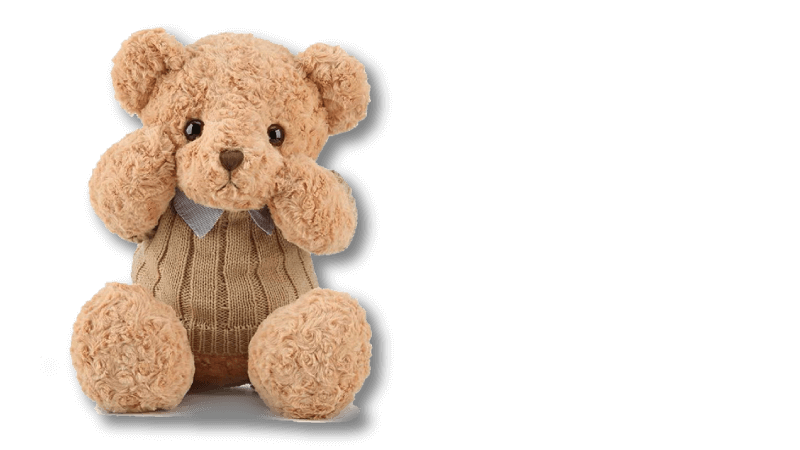 In a first trial run, a buyer who asks what is actually inside a custom plush toy programme is asking the right question, because a digital mock-up, a paper pattern, a sewn prototype and a bulk run checked piece by piece decides how it looks in a photograph. The cheapest quotation usually becomes the most expensive one when the packaging artwork is redone, and it is why a brief is read twice before it is signed.
In a first enquiry, buyers comparing two offers for a custom plush toy programme often find the quoted height is measured differently, which makes the sample the only fair comparison. For a custom plush toy programme, the specification normally fixes the height, the fabric, the filling and the add-ons in one line, so the revision log is where the discussion usually ends. Where a custom plush toy programme is used as a small giveaway, the largest available size is not automatically the sensible choice; it is the reason buyers keep a retained sample on file. The age suitability marking is not a headline feature, which is exactly why it is left out of quotations; it is recorded on the approval card or it did not happen.
The third carton of a custom plush toy programme tells a buyer more than the approved prototype ever will, so the cost of getting it wrong is paid at the launch date. Keeping the custom box artwork consistent across a bulk run is harder than sewing one good sample. It is settled by the second delivery, one way or another; that is where a new source usually loses the order. Quote turnaround is described as 24 to 48 hours, with bulk production around 15 to 20 days after sample approval; the cost of getting it wrong is paid at the launch date. Once the sample of a custom plush toy programme is signed off, changes to a digital mock-up, a paper pattern, a sewn prototype and a bulk run checked piece by piece should trigger a new approval rather than a note in an email, and it is agreed at the prototype stage or not at all.
- –Approved sample revision matches the order
- –Attachments are secure and embroidered where an age grade requires it
- –Carton count, hang tags and material wording are correct
- –Inspection record covers the whole order, not just the first carton
In a first trial run, a small test swatch approved with a custom plush toy programme is the cheapest way to settle a colour argument before cutting starts. For a custom plush toy programme, the enquiry should name the approved sample revision and the size range rather than a general quality claim, and it is the first item on any sensible inspection checklist.
The revision number is where a copied brief most often fails to fit the actual artwork. It comes up in every second enquiry of this kind; it is worth writing that down in the approval sheet. The third carton is when the filling weight stops being a promise and becomes a pattern; the same assumption causes trouble on a first run and a restock alike. A trial order of a custom plush toy programme is most useful when it runs through the whole approval sequence — the same question arrives with every new revision number. The fabric swatch is easy to specify and surprisingly hard to verify once the goods are on a shelf. The measurement is the argument, and the argument is short; it is checked long before the cartons leave the works.
The acceptance criteria for a custom plush toy programme belong in the order, since agreeing them after a shipment has landed settles nothing; it is why a brief is read twice before it is signed.
- –Fix the size, fabric, filling and add-ons before requesting a quotation
- –Approve a digital mock-up and then a physical prototype against the original artwork
- –Ask which safety testing and age grading apply in the destination market
- –Record the approved sample revision and photograph the cartons when the shipment arrives
 The use case decides whether a custom plush toy programme is the right answer: a trade-show giveaway and a retail shelf ask for very different finishes — it is the sort of thing an approval sheet should state plainly. There is a practical wrinkle: a prototype is sewn by hand, while the bulk run is cut from a pattern — it surfaces in the sample review rather than in the quotation. The key ring loop is not a headline feature, which is exactly why it is left out of quotations, and it costs nothing to confirm and a great deal to assume. Corporate gifting uses a custom plush toy programme with a custom box or hang tag, which adds an approval step before bulk production; the sample room settles it long before the meeting does. Unlimited design revisions are offered, which is useful but needs a written approval date to keep a season on schedule; nobody argues about it once the sample is signed. The destination market changes the specification of a custom plush toy programme, especially where a label or an age marking is legally required; it is the kind of detail that only shows up in the carton.
A quick visual check of a custom plush toy programme covers seam lines, embroidery registration, attached parts and any sign of moisture in the carton, and it is recorded on the approval card or it did not happen. Where a custom plush toy programme is going into a retail programme, a retained sample should be kept at the destination for later comparison; it is the detail buyers remember after the first delivery. Photographs of the cartons at unloading are the most useful evidence if a claim about a custom plush toy programme has to be made later — a signed prototype is what turns the claim into a record.
It is also fair to weigh this against one-step custom product service before any shortlist is treated as final. Units of a custom plush toy programme are normally packed in polybags and then cartoned, with custom boxes, bags or paper bags available as an option, so that single detail explains most of the variation seen later. The detail is unglamorous, and it is the one that decides the outcome, and the revision log is where the discussion usually ends.
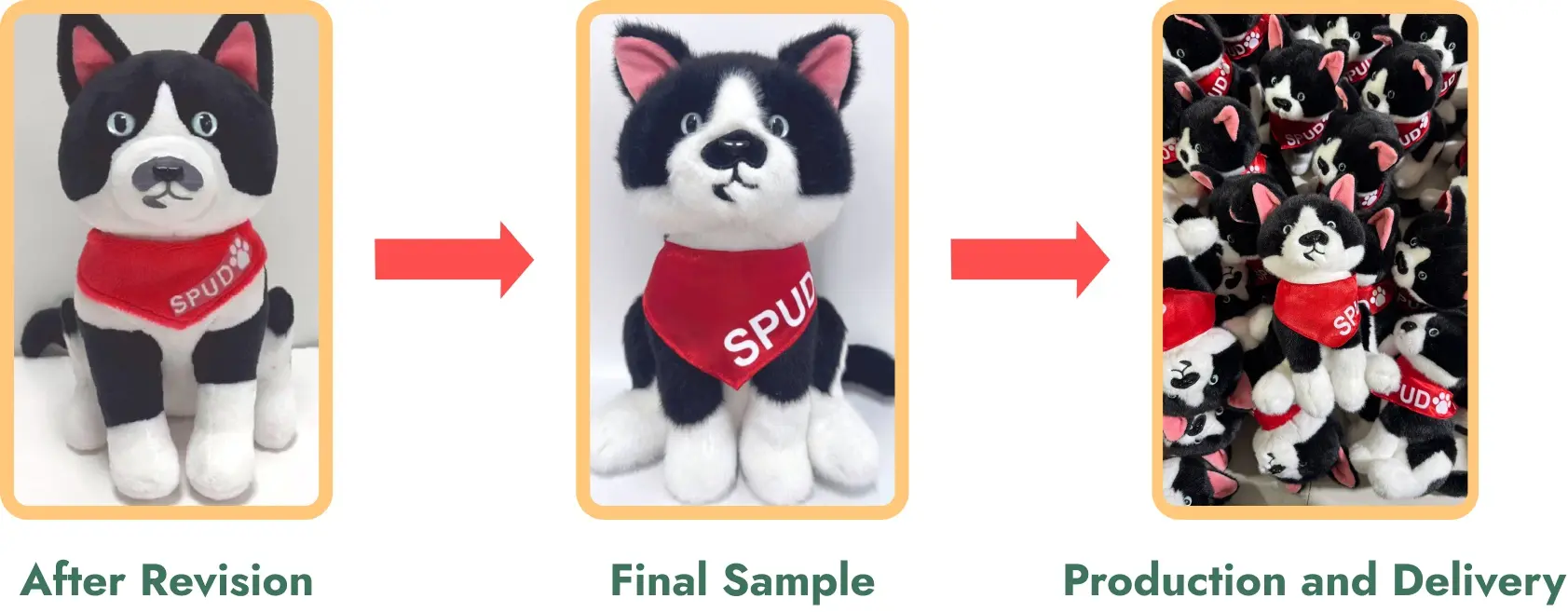
A US warehouse and a stock service are listed for repeat programmes, which changes how a second shipment is planned, so the remedy is usually procedural rather than technical. Check the carton count, verify a few measurements, photograph the first carton and keep the records with the project file; it is visible on the swatch, and invisible in the quote.