Category: Health & Fitness

The Last Baking Soda Play A Trick On For Men’s TrainingThe Last Baking Soda Play A Trick On For Men’s Training

Baking soda, that modest kitchen staple fiber, is a mystery weapon for men s training. Known scientifically as Na bicarbonate, this varied pulverize can lift your subprogram with borderline cost and exertion. From tackling stubborn odors to refinement your skin and hair, baking hot soda offers realistic solutions for the modern man. Here s the ultimate steer to using baking hot soda as your go-to training hack, with tips plain to keep you looking and tactile sensation your best.

Why Baking Soda Works

Baking soda s magic lies in its alkalic nature and mild abrasiveness. It neutralizes acids, absorbs odors, and mildly exfoliates, making it nonesuch for a straddle of preparation needs. Plus, it s affordable and wide available, so you can incorporate it into your subprogram without breaking the bank.

The Ultimate Grooming Hack: A Multi-Purpose Baking Soda Paste

The of hot soda s preparation art is a simpleton paste made by mixture a tablespoonful of hot soda with a few drops of water. This paste is your all-in-one tool for triplex training challenges. Here s how to use it effectively:

1. Face Scrub for a Polished Look

Struggling with oily skin or clogged pores? The hot soda paste doubles as a appease exfoliating scrub. Apply it to your face, focus on the T-zone(forehead, nose, and chin), and massage in bill motions for 30 seconds. Rinse thoroughly with warm irrigate. This removes dead skin cells and surplusage oil, leaving your face smooth and refreshed. Use once a week to avoid over-exfoliation, especially if you have medium skin.

2. Razor Burn Relief

Post-shave irritation can ruin your acutely visual aspect. After shave, apply a thin layer of the baking soda glue to red or miffed areas. Let it sit for 5 10 minutes, then wash off. Its anti-inflammatory properties soothe the skin, reduction red and discomfort for a clean, surefooted end up.

3. Teeth Whitening Boost

A bright smiling is a preparation necessity. Dip your wet soup-strainer into the hot soda paste and sweep mildly for one minute. The mild abrasiveness helps transfer rise up stains from java, tea, or smoke, disclosure a whiter smiling. Limit this to twice a week to protect your , and always observe with fixture toothpaste.

4. Scalp and Hair Cleanser

Product buildup, sweat off, and oil can leave your hair looking flat or your scalp painful. Add a teaspoonful of hot soda to your shampoo once a month for a elucidative . Massage it into your scalp and rinse well. This removes residuum, enhances reflect, and can help tighten dandruff. Be timid not to overuse, as it may dry out your hair.

Beyond the Paste: More Baking Soda Grooming Hacks

While the paste is the star, baking soda has other training tricks up its sleeve:

5. Deodorant Alternative

Ran out of deodorant? Dust a small amount of dry hot soda under your armpits to take over sweat and neutralize odor-causing bacteria. For a more refined selection, mix baking soda with cornflour and a drop of masculine-scented requisite oil(like cedarwood) for a DIY deodorant powder. Apply slenderly to stay recently all day.

6. Foot Soak for Tough Days

After a long day or pure physical exertion, your feet need tending. Dissolve a draw and quarter cup of baking hot soda in a washbasin of warm irrigate and soak your feet for 15 proceedings. This softens calluses, neutralizes odors, and relieves tenderness, making it hone for guys on their feet all day.

7. Hand Cleaner for Grease and Grime

For men who work with their work force whether reparatio cars or broil baking soda trick for men is a lifeguard. Rub the paste onto your hands to scrub away lubricating oil, dirt, or food odors(like Allium sativum). Rinse with warm water for clean, odor-free hands without unpleasant chemicals.

8. Odor Control for Grooming Gear

Keep your training tools recently by sparge baking soda into your toilet article bag or over your comb and sweep. Let it sit long to absorb odors, then stir it out. This ensures your gear corset clean and gear up for use.

Tips for Safe Use

Baking soda is powerful but requires care:

  • Test First: Always do a patch test on your skin to check you don t have a reaction.

  • Moderation is Key: Overusing hot soda can gravel skin or dry out hair, so sting to advisable frequencies.

  • Dilute Properly: Never utilise hot soda straight without commixture it with water or another base to keep off pique.

  • Consult a Pro: If you have sensitive skin, dental issues, or health concerns, check with a skin doctor or dental practitioner before habitue use.

  • Why This Hack is Ultimate

    The baking soda paste is the ultimate training fob because it s simple, versatile, and cost-effective. With one box, you can turn to quadruplex preparation needs rescue time, money, and quad in your priv. Whether you re prepping for a date, a job interview, or just want to feel your best, this hack has you awninged.

    Conclusion

    Baking soda isn t just for hot it s a grooming MVP for men who value practicality and results. Keep a box William Christopher Handy and experiment with these hacks to streamline your routine. With the last baking soda glue in your toolkit, you ll be ready to tackle any grooming challenge with confidence.

    Best Weight Loss Program — 10 Successful Lifestyle TipsBest Weight Loss Program — 10 Successful Lifestyle Tips

    With all the swarming weight loss sites over often the internet, the advantages of true in addition to effective greatest weight loss program and information has become a good search project. How can you identify the best weight loss program ideal for you personally? Can be there any gauge, measure, as well as standard for that?

    Quite a few individuals find fat damage a chronic endeavor. For most, the shedding associated with weight may seem sustained but it is a short-lived event. They do not realize until they after again endure on the particular scale and found that they have regained the lost excess weight – worse, the body weight regained is greater when compared with the weight lost. About the other hand, a number of popular eating plans are located ineffective because they general shortage the lasting factors involving what the best body weight loss program absolutely will be.

    Thus, what do we must find in a pounds loss program? Here are this successful factors and even strategies to consider:

    Exercise. Exercise is a cliche in this fitness industry. No make a difference how cliched your message is but this nevertheless remains to be one of the legitimate aspects for weight loss. Recent studies have proven that it is a good idea to training 30 a few minutes for 5 days throughout a week. As an alternative, an additional study has demonstrated that 10 minutes of exercising 3 times the day is definitely also successful. Thus, at this time there is no reason for individuals to give the "no time for exercise" excuse. Often find time and self-discipline to exercise five to help 5 days a full week and increase your work out power level every two weeks.
    Practice with Loads or Make Weight Coaching. Weight training helps a person get rid of some body excess fat better. Muscle tissues burn extra fat. On the other side, cardiovascular exercises are still powerful for gelatin weight loss loss given that the idea burns calories yet muscles gained from weight training exercise gives you the maintenance for a healthier and slimmer look. It is advisable that at the nominal, a person increase your weight load 5% just about every two weeks from its current weight. For example, if an individual are lifting 30 kilogram weights then you ought to, at the minimum, pick up 31. a few kg weight loads after two weeks.
    Retain a record. Keep a document of your foods content and the issues that hinders you to your own weight loss. This report is effective in checking your meals intake, activity, and way of life. In this particular way, costs better approach and concept on the way to approach your excess weight damage goal better. Having said that, try not to be too overly cognizant around taking a document. This is not really good in order to overdo it responsibility or maybe else you will reduce fun in your existence. Just maintain some details in your lasting recollection and transfer all of them later in your log publication or log.
    Stop over-eating. Know the reasons and even causes of why you eat way too much so that you may control and ultimately cease over-eating. If the key reasons happen to be stress together with pressure, subsequently find methods to channel your time better. Most overeating problems are due to stress and stress at work or even family lifetime. Learn to recognize the cause of your overeating and consult regarding psychological help if necessary.
    Become a member of a support team. Create or perhaps join the weight loss support group for you. In this method, you have visitors to back you up to remain an individual motivated for your fat reduction goal. These are often the people that could kick the ass when it is necessary to preserve you in your weight loss goal. Your support group must be heterogeneous throughout dynamics. This means that you must compose your current support group coming from your close friends, fast family members, office mates, and even other pivotal people in your life. In this case, presently there is always a man or woman who also can monitor anyone wheresoever environment you are usually.
    Learn from the meals. Dinners in junk food chains plus restaurants are usually not typical anymore. Quite a few, if not most, are by now supersized. If you have seen the food item in all these kind of fast foodstuff chains, hamburgers, fries, soda pops, and several more are all supersized. So, constantly watch your own diet. This is certainly already a good good time to employ idea # 3: continue to keep a new record. Always possess a new keep track of on what you eat so that you will understand what anyone must learn and exactly what you ought to do.
    Take joy inside little progress. Acknowledge oneself once you have done little together with regular weight loss advances. Do not be as well harsh on yourself if you fail to shed off pounds that very easily. The key here is constantly losing regarding unwanted body extra fat. With the some other hand, funds saddened for some weight results after several workouts; it could be due to the muscles you create. Recall that muscles are heavier than fats, thus, fat gain does not necessary abide by that you will be getting fatter : maybe you are becoming leaner. Above all, often end up being honest to yourself when you really have received many pounds due for you to fats or perhaps due to help muscles.
    Chew your food properly. By chewing the dish very well, you eat slowly. It is because, once you have have in some foods, that takes 20 minutes for you to signal your brain of the thoughts of bounties. Thus, should you eat quick, there is a large tendency that you possess taken a new lot of food inside of thirty moments compared to eating little by little. Aside from that, gnawing your foods well assists your body effortlessly metabolize what you eat. Furthermore, it avoids you from obstruction in addition to indigestion problems.
    Consume less foods with poor extra fat. Eat fewer foods that includes unhealthy fats just like transfats, unsaturated fats, and bad cholesterol while eat food that includes healthy fatty acids coming from nuts, species of fish oils, olive oils, almonds, and other healthy and balanced essential oils. Essential fatty acids contain omega several plus omega 6 the fact that are best for the cardiovascular system that helps throughout marketing sound health and balanced cardiovascular performance.
    Be healthy and balanced, not thin. Being thin does not necessarily signify that you are healthy and balanced. What is the value of being thin when you look skinny in addition to dull? Thus, focus your efforts on being healthful by means of combining exercises, wholesome food, and balanced lifestyle completely. The lack of any of these factors may result by imbalance – unhealthiness. It can be difficult to obtain lean muscle mass or put on muscles fast when a imbalance happens.
    All throughout all, the best body weight loss program will do not necessarily solely rely on the several diet programs out there that you can avail, but more so, that is about choosing the particular best weight loss program suitable for your system. This takes research to find to know the perfect pounds loss exercise program to get you. Yet , always select the program that will will come in natural and definitely not those ones that encourage expensive and easy options in order to weight loss. In no way do some short cuts throughout your weight loss ambitions or else you will pay this price later. Fat reduction can be not just a real problem, the idea is likewise a moral and personal problem towards one self.
     

    The Rise of Medical Beauty: A Modern Approach to Aesthetic EnhancementThe Rise of Medical Beauty: A Modern Approach to Aesthetic Enhancement

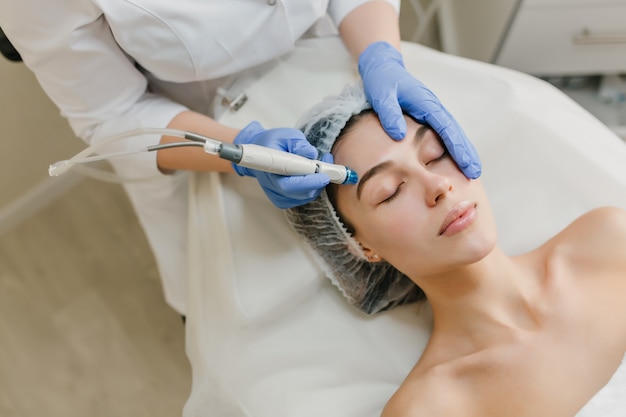
    In recent years, there has been a significant shift in the beauty and wellness industries toward medical beauty. This evolving field blends cutting-edge medical technology with aesthetic treatments to help individuals enhance their appearance, address skin concerns, and rejuvenate their overall look, all without the need for invasive surgery. While traditional beauty solutions such as skincare routines and makeup have always played a significant role in enhancing beauty, medical beauty now offers a more targeted, effective, and lasting approach.

    From anti-aging treatments to body contouring, medical beauty allows for subtle and natural improvements, targeting specific areas with precision. With this article, we will delve into the world of medical beauty, exploring the treatments that have gained popularity, the benefits they offer, and how this field is reshaping the future of aesthetics.

    What is Medical Beauty?

    Medical beauty refers to aesthetic procedures that utilize advanced medical techniques and technologies to enhance, maintain, or restore a person’s appearance. These treatments often involve the use of non-invasive or minimally invasive procedures performed by licensed medical professionals such as dermatologists, cosmetic surgeons, or certified aesthetic practitioners. The key distinction between medical beauty and traditional beauty treatments lies in the use of scientifically-backed, medical-grade products and technologies, which yield faster, more noticeable results.

    Medical beauty combines the principles of aesthetics with scientific precision. Whether it’s reducing the appearance of wrinkles, improving skin texture, or reshaping the body, these procedures deliver transformative results with minimal downtime and reduced risks compared to traditional surgery.

    The Growth of Medical Beauty

    The popularity of medical beauty treatments has surged in recent years for several reasons. Technological advances, combined with a growing desire for non-invasive treatments, have made these procedures more accessible to a wider range of individuals. Social media also plays a pivotal role, with influencers, celebrities, and even everyday users sharing their experiences with medical beauty procedures, sparking greater awareness and interest.

    Moreover, medical beauty offers a path to long-term improvement, making it an attractive alternative for those who seek lasting results without undergoing major surgery. Whether it’s reversing the signs of aging or achieving a more sculpted physique, medical beauty offers a range of solutions that can address almost any aesthetic concern.

    Why Medical Beauty is So Popular

    Several key factors contribute to the rise in popularity of medical beauty. Here are a few reasons why individuals are increasingly turning to this approach to enhance their appearance:

    1. Non-Invasive Treatments

    Many of the most popular medical beauty procedures are non-invasive or minimally invasive. This means that they typically require no incisions or stitches and involve little to no recovery time. For example, Botox injections and dermal fillers can be completed in a matter of minutes, with most patients able to return to their daily activities right after the procedure.

    2. Natural-Looking Results

    The primary goal of medical exilis ultra 360 is to enhance a person’s natural features rather than drastically altering them. Treatments such as Botox, dermal fillers, and laser resurfacing work to rejuvenate the skin, smooth out fine lines, restore facial volume, and improve texture, all while maintaining a natural, youthful appearance. This subtle enhancement is often more desirable than the dramatic changes associated with invasive surgery.

    3. Minimal Downtime

    One of the major benefits of medical beauty treatments is their minimal recovery time. Traditional cosmetic surgeries often require weeks of recovery, during which patients must avoid strenuous activities and adhere to strict aftercare regimens. In contrast, many medical beauty procedures offer immediate or near-immediate results, with little to no downtime. In some cases, patients can even resume normal activities the same day.

    4. Effective and Long-Lasting Results

    Unlike some traditional beauty treatments, medical beauty procedures often provide more durable results. Botox, for instance, can last anywhere from 3 to 6 months, while dermal fillers may last up to 18 months. Fat-reduction treatments like CoolSculpting and body contouring procedures also offer long-term effects, with results that can be permanent once fat cells are eliminated.

    5. Customizable to Individual Needs

    Every person’s aesthetic needs are different. With medical beauty, treatments are highly customizable, allowing professionals to tailor procedures to meet the specific concerns of each patient. Whether it’s addressing fine lines, sagging skin, volume loss, or stubborn fat, medical beauty practitioners can create personalized treatment plans that align with an individual’s goals.

    Common Medical Beauty Treatments

    The medical beauty industry encompasses a wide range of treatments aimed at addressing various aesthetic concerns. Some of the most popular procedures include:

    1. Botox and Neuromodulators

    Botox is perhaps the most well-known medical beauty treatment. It works by temporarily paralyzing muscles to prevent them from contracting, reducing the appearance of wrinkles. Botox is commonly used for the forehead, crow’s feet around the eyes, and frown lines between the eyebrows. Other neuromodulators like Dysport, Xeomin, and Jeuveau are similar to Botox and also provide wrinkle-smoothing benefits.

    2. Dermal Fillers

    Dermal fillers are used to restore lost volume in the face, filling in wrinkles, sagging areas, and hollowed regions. Fillers such as Juvederm, Restylane, and Radiesse can plump up the cheeks, smooth out deep lines around the mouth, and even enhance lip volume. These fillers are made of hyaluronic acid, calcium hydroxylapatite, or poly-L-lactic acid, and they work by stimulating collagen production, leaving patients with a youthful and refreshed appearance.

    3. Laser Skin Treatments

    Laser treatments are versatile and can be used for a variety of skin concerns, including wrinkles, pigmentation issues, acne scars, and sun damage. Common laser treatments include:

    • Fractional CO2 Laser Resurfacing: This procedure stimulates collagen production to reduce fine lines, improve skin texture, and treat acne scars.
    • Laser Hair Removal: A permanent hair reduction solution that uses concentrated light to target hair follicles, preventing hair growth.
    • Intense Pulsed Light (IPL): A non-laser light treatment that targets pigmentation irregularities, such as sunspots, freckles, and redness.

    4. Chemical Peels

    Chemical peels involve the application of a chemical solution to exfoliate the skin, removing the outermost layers. This promotes the growth of fresh, youthful skin and can address issues like fine lines, pigmentation, and acne scars. Chemical peels come in varying depths, with superficial peels offering minimal downtime and deeper peels providing more dramatic results but with a longer recovery time.

    5. Microneedling

    Microneedling involves the use of tiny needles that create controlled micro-injuries in the skin, stimulating collagen production and promoting skin rejuvenation. Microneedling is effective for improving skin texture, reducing acne scars, and smoothing fine lines. This treatment is often combined with PRP (Platelet-Rich Plasma) therapy, where a patient’s own blood is used to enhance skin healing and regeneration.

    2. Natural-Looking Results

    0

    Non-surgical fat-reduction treatments, such as CoolSculpting and SculpSure, target and freeze or heat fat cells, which are then naturally eliminated by the body. These treatments help sculpt areas of the body with stubborn fat, such as the abdomen, thighs, or flanks, without the need for liposuction.

    Benefits of Medical Beauty

    The rise of medical beauty treatments has brought numerous benefits to individuals seeking aesthetic enhancements:

    2. Natural-Looking Results

    1

    Since many medical beauty procedures are non-invasive or minimally invasive, they carry less risk than traditional surgeries. Complications are rare, especially when performed by experienced professionals.

    2. Natural-Looking Results

    2

    Medical beauty offers a solution for individuals who are hesitant to undergo traditional cosmetic surgery due to the risks, long recovery times, and high costs. The ability to enhance one’s appearance with minimal disruption to daily life is a significant draw for many.

    2. Natural-Looking Results

    3

    Many treatments offer long-lasting or even permanent results. For example, fat reduction procedures can permanently eliminate fat cells, and Botox treatments can last for several months.

    2. Natural-Looking Results

    4

    Whether it’s reducing wrinkles, improving skin texture, or sculpting the body, medical beauty treatments have a direct impact on an individual’s self-esteem. The confidence gained from achieving aesthetic goals can translate into a greater sense of self-worth and happiness.

    The Future of Medical Beauty

    As medical technology advances, the possibilities in medical beauty are virtually endless. New treatments and technologies are continually being developed to address a wider variety of concerns, from anti-aging to hair restoration. The focus will likely shift toward even more personalized treatments, leveraging genetic information and AI to create custom solutions for every individual. The integration of holistic approaches that combine physical treatments with wellness practices may also gain momentum in the coming years.

    Conclusion

    Medical beauty is revolutionizing the way people approach aesthetics, offering non-invasive and highly effective treatments that help individuals look and feel their best. From anti-aging to body contouring, medical beauty provides targeted solutions that are both safe and accessible, making it a popular choice for anyone looking to enhance their natural beauty. As technology continues to advance, medical beauty will remain at the forefront of the beauty industry, offering exciting new opportunities for self-improvement, confidence, and self-care.

    Skincare for Every Season: How to Adapt Your Routine Year-RoundSkincare for Every Season: How to Adapt Your Routine Year-Round

    Your skincare routine should evolve with the seasons. Just as your wardrobe changes with the weather, your skincare products and approach should adapt to the varying environmental conditions that each season brings. Whether it’s the harsh winter cold, the humidity of summer, or the transition periods of spring and fall, each season requires specific care to keep your skin healthy, radiant, and balanced. This article will walk you through how to adjust your skincare routine to suit the changing seasons and help you maintain glowing skin all year long.

    Why Seasonal Changes Affect Your Skin

    Your skin is constantly interacting with the environment around you. Factors such as temperature, humidity, and UV exposure can all affect your skin’s moisture levels, oil production, and overall texture.

    • In winter, the air tends to be drier and colder, which can lead to moisture loss and irritation.
    • In summer, higher temperatures and increased humidity can lead to excess oil production, clogged pores, and more frequent breakouts.
    • In spring and fall, transitional weather can lead to fluctuating humidity levels, which can leave your skin confused and prone to both dehydration and breakouts.

    Adapting your routine to these changes will help your skin maintain its natural balance and avoid common seasonal skin issues like dryness, acne, or irritation.

    Winter Skincare: Protect and Hydrate

    Winter is notorious for stripping moisture from the skin due to colder temperatures, low humidity, and indoor heating. The air is drier, and your skin often reacts by becoming tight, flaky, or irritated. To combat these conditions, focus on hydration, nourishment, and creating a protective barrier.

    Key Winter Skincare Tips:

    1. Switch to a richer moisturizer: During winter, you’ll need thicker creams or oils to provide your skin with extra hydration. Look for products containing ceramides, hyaluronic acid, and shea butter, which help lock in moisture and restore the skin’s barrier.
    2. Add a hydrating serum: Consider adding a hydrating serum with ingredients like glycerin or hyaluronic acid before applying your moisturizer to enhance moisture retention.
    3. Avoid hot showers: While it’s tempting to take long, hot showers in winter, hot water can strip the skin of its natural oils. Instead, opt for lukewarm water and limit your shower time.
    4. Use a humidifier: Indoor heating can dry out the air and your skin. A humidifier adds moisture to the air, helping to keep your skin hydrated.
    5. Don’t skip sunscreen: Just because it’s cold doesn’t mean you’re not at risk of sun damage. UVA rays, which cause aging, are still active in winter. Make sure to apply sunscreen with SPF 30 or higher, even on cloudy days.

    Summer Skincare: Protect and Balance

    Summer brings warmer temperatures, increased humidity, and more intense sun exposure. While it’s great for outdoor activities, these conditions can overwhelm your skin. Overheating can lead to increased oil production, clogged pores, acne, and pigmentation. Protection from UV rays becomes essential to avoid sunburn, aging, and long-term skin damage.

    Key Summer Skincare Tips:

    1. Use lightweight, oil-free moisturizers: During summer, lighter moisturizers are your best bet. Opt for gel-based or water-based moisturizers that hydrate without feeling heavy or greasy on the skin.
    2. Switch to a gentle exfoliant: Exfoliation is important to clear away sweat, oil, and sunscreen buildup. However, in the heat of summer, your skin can be more sensitive. Use gentle AHAs (like glycolic acid) or BHAs (salicylic acid) to exfoliate without irritating the skin.
    3. Incorporate a mattifying sunscreen: In the summer, choose a sunscreen formulated for oily or acne-prone skin. These sunscreens are often lighter, non-comedogenic, and can help control oil while providing the protection you need.
    4. Use products with antioxidants: Vitamin C and other antioxidants help protect your 醫學美容產品 from the free radicals caused by sun exposure and pollution. Incorporating a Vitamin C serum into your morning routine is a great way to add an extra layer of protection.
    5. Hydrate from the inside out: Drink plenty of water to keep your skin hydrated. Summer heat can leave your skin feeling dry, and dehydration can exacerbate skin issues like acne and irritation.

    Spring Skincare: Refresh and Revitalize

    Spring brings a sense of renewal and freshness—but also fluctuating temperatures and allergens that can irritate your skin. The transition from cold to warmer weather can sometimes leave your skin feeling a little unbalanced, so the key is to refresh and adjust your routine for a revitalized complexion.

    Key Spring Skincare Tips:

    1. Switch to a lighter moisturizer: After the heavy creams of winter, your skin might not need as much moisture. Consider switching to a lighter, oil-free moisturizer that still provides hydration but won’t leave your skin feeling too heavy.
    2. Use an exfoliating toner: Spring is a great time to add an exfoliating toner into your routine. AHAs or BHAs help remove dead skin cells and reveal fresh, glowing skin.
    3. Boost your skin barrier: Allergens in the air can irritate sensitive skin, so focus on strengthening the skin’s barrier. Look for ceramides, niacinamide, and peptides to reinforce your skin’s defense against external stressors.
    4. Increase your SPF: As the sun becomes stronger in spring, continue to apply a broad-spectrum sunscreen daily. Springtime brings increased UV exposure, so don’t forget to apply and reapply sunscreen as needed.

    Fall Skincare: Repair and Restore

    The fall season is when temperatures begin to drop, and the air becomes drier. Skin that has been exposed to summer sun and heat may also need some extra care and repair. Fall is a good time to focus on rejuvenation, treating sun damage, and restoring your skin’s balance after the warmer months.

    Key Fall Skincare Tips:

    1. Add a retinol product: After the long days of sun exposure, fall is the perfect time to start using retinol to address any pigmentation, fine lines, or sun damage. Retinol speeds up cell turnover, helping to shed dead skin and reveal fresher, smoother skin.
    2. Hydrate and repair: Fall can be dry, so using hydrating products that replenish moisture is important. Consider adding a nourishing serum with hyaluronic acid or vitamin E to combat dryness.
    3. Focus on soothing ingredients: If your skin is feeling irritated from the transition between seasons, look for ingredients like aloe vera, chamomile, and green tea to calm redness and inflammation.
    4. Switch to a richer moisturizer: Fall often requires a thicker moisturizer as the air becomes drier. Look for products with nourishing ingredients like squalane, shear butter, and jojoba oil to restore hydration and protect the skin’s barrier.

    General Skincare Tips for Every Season:

    • Consistency is key: Stick to a routine that works for your skin and avoid switching products too frequently. Consistency will ensure you see the best results.
    • Listen to your skin: Your skin might feel different with every season, so always pay attention to what it needs. If your skin becomes dry or oily, adjust your routine accordingly.
    • Don’t forget the eyes and lips: Your eyes and lips are particularly sensitive to environmental changes, so be sure to use nourishing eye creams and lip balms to keep these areas hydrated and protected.

    Conclusion

    Your skincare routine should be just as dynamic as the changing seasons. By adapting your products and approach to match the environmental conditions, you can keep your skin balanced, healthy, and glowing all year round. From extra hydration in winter to protecting against UV rays in summer, knowing how to cater to your skin’s needs in each season will help maintain your complexion and prevent seasonal skin troubles. Embrace each season’s unique skincare needs and enjoy healthy, radiant skin no matter what the weather brings.

    Understanding Attachment Styles  Anxious  Avoidant  and How They Affect Your RelationshipsUnderstanding Attachment Styles  Anxious  Avoidant  and How They Affect Your Relationships

    Have you ever found yourself in a relationship pattern that feels familiar, yet perpetually unsatisfying? Perhaps you consistently feel a nagging need for reassurance, or maybe you instinctively pull away when things get too close. These recurring dynamics, often perplexing and frustrating, are rarely accidental. They are, more often than not, deeply rooted in our innate attachment styles – the fundamental ways we learned to connect with others from our earliest experiences. Understanding these underlying blueprints can illuminate the complex tapestry of our romantic, platonic, and even professional interactions, offering profound insights into why we relate the way we do.

    The Roots of Our Relational Blueprints: What is Attachment Theory?

    At its core, attachment theory provides a powerful framework for understanding human connection. Developed by British psychoanalyst John Bowlby and expanded upon by American psychologist Mary Ainsworth, this theory posits that humans are biologically wired to seek proximity to significant others for comfort, safety, and security. Our earliest relationships, particularly with primary caregivers, shape our expectations and behaviors in all future relationships.

    These early interactions form what Bowlby termed internal working models – unconscious mental representations of ourselves, others, and relationships. These models act as filters through which we perceive and react to relational cues throughout our lives. While many individuals develop a secure attachment style, characterized by comfort with intimacy and independence, a significant portion of the population develops insecure attachment styles, primarily anxious or avoidant. These styles, once formed, tend to persist into adulthood, influencing everything from partner selection to conflict resolution.

    Exploring the Landscape of Insecure Attachment

    Insecure attachment is not a diagnosis, but rather a description of patterns of relating that developed in response to less-than-optimal early caregiving. These patterns, while protective at the time, can become maladaptive in adult relationships, leading to distress and conflict. The two most commonly discussed insecure attachment styles are anxious and avoidant, each presenting unique challenges and interpersonal dynamics.

    Understanding these styles is not about labeling oneself or others, but about gaining self-awareness and empathy. It’s about recognizing the strategies we employ to manage our needs for connection and autonomy, and how these strategies might sometimes inadvertently push away the very intimacy we desire.

    Anxious Attachment in Adults: The Fear of Abandonment

    Individuals with an anxious attachment style often developed in environments where caregivers were inconsistently available or responsive. This unpredictability taught them to escalate their bids for attention, fearing abandonment if they didn’t remain vigilant. As adults, this translates into a heightened sensitivity to perceived threats to the relationship. For someone experiencing anxious attachment in adults, a partner’s delay in responding to a text might trigger intense worry, leading to a cascade of intrusive thoughts and self-doubt.

    Key characteristics of anxious attachment in adults include:

    • Preoccupation with relationships: A significant portion of mental energy is often consumed by relationship concerns, interpreting every interaction for signs of commitment or rejection.
    • Need for constant reassurance: There’s an insatiable desire for validation and affirmation from a partner, often leading to repetitive questioning about their feelings or the relationship’s stability.
    • Fear of abandonment and rejection: Even minor disagreements or perceived slights can feel like existential threats to the relationship, triggering intense emotional distress.
    • “Clinging” behaviors: This can manifest as excessive contact, jealousy, or a tendency to merge identities with a partner, losing a sense of individual self.
    • Emotional intensity: Individuals with an anxious style often experience emotions more intensely and may express them outwardly, sometimes dramatically, in an attempt to elicit a response.
    • Difficulty with boundaries: A fear of pushing a partner away can lead to poor personal boundaries, making it challenging to assert needs or say no.

    The impact of this style on relationships can be significant. The constant pursuit of closeness and reassurance can inadvertently push partners away, creating a self-fulfilling prophecy of abandonment. This can lead to cycles of intense emotional highs and lows, often characterized by drama and instability. For those wondering, what is my attachment style, consistent patterns of worrying about a partner’s love or commitment, feeling insecure about one’s worth in a relationship, and intense emotional reactions to perceived distance are strong indicators of an anxious style.

    Avoidant Attachment: The Pursuit of Independence

    In contrast, avoidant attachment often develops when caregivers were consistently unavailable, unresponsive, or even actively dismissive of a child’s needs for closeness. To cope, the child learns to suppress their attachment needs, becoming fiercely independent and self-reliant. Emotional expression becomes associated with vulnerability and potential rejection. In adulthood, this manifests as a discomfort with intimacy and a strong desire for personal space and autonomy.

    Defining traits of an avoidant attachment style include:

    • Discomfort with intimacy and emotional closeness: Emotional vulnerability feels threatening, leading to a tendency to keep partners at arm’s length.
    • Strong emphasis on self-reliance and independence: There’s a deep-seated belief that one must rely only on oneself, and asking for help is a sign of weakness.
    • Suppression of emotions: Feelings, especially difficult ones, are often intellectualized or compartmentalized rather than expressed.
    • Fear of engulfment or losing independence: Close relationships can feel stifling, leading to a need for emotional and physical distance to feel safe.
    • Deactivating strategies: These are behaviors used to create distance, such as focusing on a partner’s flaws, engaging in other activities to avoid intimacy, or pulling away after moments of closeness.
    • Difficulty with commitment: The prospect of long-term commitment can trigger significant anxiety about losing freedom.

    The impact of avoidant attachment on relationships is characterized by emotional distance and difficulty with true intimacy. Partners often report feeling shut out, unloved, or unimportant, leading to frustration and resentment. For individuals asking, what is my attachment style, consistent patterns of feeling suffocated by a partner’s needs, preferring solitude over shared emotional experiences, and withdrawing when conflicts arise may point towards an avoidant style.

    The Dance of Insecurity: How Anxious and Avoidant Styles Interact

    Paradoxically, anxious and avoidant individuals are often drawn to one another. The anxious person, seeking connection, is drawn to the avoidant’s perceived independence and aloofness, which can initially be misinterpreted as strength or stability. The avoidant person, on the other hand, might be drawn to the anxious person’s warmth and desire for closeness, which can temporarily fulfill their own suppressed needs for connection without demanding too much in return.

    However, this initial attraction often gives way to a predictable and painful “push-pull” dynamic. The anxiously attached individual’s attempts to gain closeness and reassurance are often met with withdrawal and defensiveness from the avoidant partner, who feels overwhelmed and suffocated. This withdrawal, in turn, intensifies the anxious person’s fears of abandonment, leading to even more desperate bids for connection. The cycle spirals, with both partners inadvertently reinforcing each other’s deepest fears and attachment wounds. The anxious partner feels perpetually abandoned and unloved, while the avoidant partner feels constantly pursued and controlled. This dynamic can be incredibly draining, often leading to resentment and eventually, relationship dissolution, unless both individuals become aware of their patterns and commit to breaking the cycle.

    Discovering Your Relational Pattern: What is My Attachment Style?

    Understanding your primary attachment style is the first step toward transforming your relationships. It’s important to remember that attachment is a spectrum, and most people exhibit traits from more than one style, though one usually predominates. It’s also possible for attachment styles to shift over time, especially with significant life experiences or intentional effort.

    To begin exploring what is my attachment style, consider these questions:

    • Reflect on past relationships: Do you notice recurring patterns in how you approach intimacy, conflict, or commitment?
    • Observe your reactions to distance and closeness: Do you tend to panic when a partner is distant, or do you feel a strong urge to create space when a partner gets too close?
    • Examine your internal dialogue: Do you often worry about whether you are loved or “enough”? Or do you frequently feel stifled by others’ expectations?
    • How do you handle conflict? Do you pursue resolution intensely, or do you tend to withdraw and shut down?
    • Consider your comfort with vulnerability: How easily do you share your deepest fears, hopes, and needs with a partner?

    While there are many online quizzes and self-assessment tools that can provide initial insights, these should not be considered definitive diagnoses. They are starting points for self-reflection. A deeper, more nuanced understanding often benefits from observation of real-life interactions and, for many, professional guidance.

    Moving Towards Healthier Connections: Strategies for Change

    Identifying your attachment style is empowering, but it’s merely the beginning. The real work lies in recognizing your triggers, challenging your ingrained reactions, and consciously choosing healthier ways of relating. This process, often referred to as “earning” a secure attachment, involves intentional effort and self-compassion.

    Key strategies include:

    1. Self-Awareness: Pay attention to your thoughts, feelings, and bodily sensations when attachment needs are activated (e.g., when you feel distant from a partner or overwhelmed by closeness). Recognize the automatic patterns that emerge.
    2. Emotional Regulation: Learn techniques to manage intense emotions without resorting to your typical anxious or avoidant strategies. This might involve mindfulness, deep breathing, or journaling.
    3. Effective Communication: Practice expressing your needs and feelings clearly and respectfully, without expecting a partner to read your mind or reacting defensively to their expressions.
    4. Boundary Setting: For anxious individuals, this means learning to assert your needs and tolerate potential disappointment. For avoidant individuals, it means learning to articulate your need for space without shutting down or pushing others away entirely.
    5. Challenging Internal Working Models: Actively work to update your core beliefs about yourself, others, and relationships. If you believe you are unlovable (anxious) or that others will always smother you (avoidant), seek evidence that disproves these beliefs.
    6. Seeking Secure Relationships: Choose partners who are securely attached, or who are also committed to personal growth and understanding their own attachment patterns.

    For many, navigating these complex patterns alone can be challenging. This is where the guidance of a trained mental health professional becomes invaluable. Many experts suggest that various forms of professional mental health therapy can be beneficial, particularly when old patterns feel deeply entrenched.

    The Transformative Power of Attachment Theory Therapy

    Therapeutic approaches informed by attachment theory offer a structured path toward understanding and transforming insecure attachment styles. Rather than simply managing symptoms, attachment theory therapy aims to address the root causes of relational distress, helping individuals build more secure internal working models.

    During therapy, individuals may:

    • Explore their early history: Understanding how past experiences shaped current patterns can foster empathy for oneself and reduce self-blame.
    • Identify specific triggers: A therapist can help pinpoint the situations or behaviors that activate anxious or avoidant responses.
    • Develop new coping mechanisms: Learning healthier ways to manage fear of abandonment or engulfment, rather than relying on old, often destructive, strategies.
    • Practice new relational skills: This includes communication, boundary setting, and emotional regulation, often role-played or discussed in the safety of the therapeutic relationship.
    • Experience a secure base: The therapeutic relationship itself can become a corrective emotional experience, offering a consistent, non-judgmental space to explore vulnerabilities and develop trust.

    Various therapeutic modalities, from psychodynamic therapy to Emotionally Focused Therapy (EFT) and Cognitive Behavioral Therapy (CBT), can integrate attachment-informed principles. The goal is to cultivate an “earned security,” where individuals can consciously override their insecure tendencies and respond to relational challenges with greater flexibility, resilience, and genuine connection. Exploring options for evidence-based mental health treatment focused on attachment can offer significant relief and profound personal growth.

    Forging Stronger Bonds Through Understanding

    The journey of understanding attachment styles is one of profound self-discovery and relational transformation. It offers a compassionate lens through which to view our own struggles and those of our loved ones. Recognizing whether you lean towards an anxious attachment in adults, or perhaps an avoidant attachment, is not a life sentence, but rather an invitation to growth. By delving into what is my attachment style and exploring the insights offered by attachment theory therapy, we gain the tools to break free from unhelpful cycles, foster deeper empathy, and cultivate the kind of authentic, secure connections that are so vital to our well-being. The path to more fulfilling relationships begins with this invaluable self-knowledge, paving the way for intentional change and genuine connection.