
Category: Health & Fitness

Beginner’s Guide For PhysiotherapyBeginner’s Guide For Physiotherapy

Physiotherapy is a treatment to restore, suffer, and make the most of a patient role’s mobility, function, and welfare. Physiotherapy assists in physical retrieval, wound prevention, and eudaemonia and wellness.

What would you when it comes to physical therapy?

Your session will be specialized because you and your personal needs are all about it. Here’s what happens in general:

The physical therapist knows about the checkup history you haveThe physical therapist examines the condition and diagnoses it.You get a retrieval plan that sets expectations for you.A course of exercises and any help required are positive for you.Types of physiotherapy

For a concourse of disorders, private physiotherapy clinic near London Bridge may be an competent routine, and the later therapies may further minimize the retrieval time for several operations.

Physiotherapists can particularize in a variety show of different William Claude Dukenfield, including sports medicine, kid health(pediatrics), and women’s wellness.

Physiotherapy in Marrickville has three different branches of differentiation under these criteria. They are:

Musculoskeletal therapy: Also known as orthopaedic physiatrics, is used to regale conditions such as sprains, back pain, arthritis, strains, incontinency, bursitis, problems with posture, injuries to sports and the work, plus diminished mobility. Under this classification, recovery following surgical operation is also enclosed.Neuroscientific: It is used to treat tense system of rules disorders, including strokes, trauma to the spinal anaesthesia cord, nonheritable mind injuries, three-fold sclerosis, and Parkinson’s disease. It can also be used after head surgical procedure for retrieval.Cardiothoracic is the name given to the therapy of asthma, constant bronchitis, emphysema, and other cardio-respiratory problems.What should be unsurprising from a travel to?

Every sitting with a physiotherapist is special since it depends on the health conditions and needs of the node. A visit to a physical therapist, however, usually involves:

Learning regarding a patient’s medical checkup account;Assessing and diagnosing the illness and needs of the patient role;Helping the patient role set natural science targets and attain them;Creation of a care plan that accounts for the fitness, lifestyle, and activities of patients;Prescribing a course of workouts and appropriate equipment.Physiotherapists, as professionals, are specialists in the provision of physiatrics care for:

Preventing handicap and combat injury;Acute and prolonged conditions are managed;Improving and retaining optimal physical efficiency;Injury recovery and illness or stultification effects;Educating patients to keep off an accident from re-occurring.For several health problems, patients may be referred to or seek support from a physical therapist and welcome worthy assistance.Treatments for the following conditions are given by physiotherapists:

CardiorespiratoryCancer, alleviator care, and lymphedemaIncontinenceWomen’s health concernsMusculoskeletalNeurologicalOrthopaedicPainPhysiotherapy Techniques: What are the Techniques used by Physiotherapists?

Depending on the type of injury or trouble they are handling, physiotherapists use several techniques. The most prevailing methods for Physiotherapy in Marrickville are:

Manual use: Rotating joints and soft tissue helps to encourage , transfer changeful from the body, and relieve muscles or spasms that are too fast.Stimulation of the electric car steel: Small physical phenomenon currents transmitted to stilted areas the brain to stamp down and block pain signals.Acupuncture: Needles actuate the tense system and act to palliate pain, release muscles, tone up the immune system of rules, and control different functions of the body.Demonstration: Teaching patterns of front helps patients to help themselves retrieve.Functional examination: To test a patient role to determine his her physical skills.Device purvey: prescription medicine, manufacture, and practical application of and appliances that are helpful, adaptative, confirmatory, and protective.An combat injury may be caused by other subjacent causes in certain instances. It may be that degenerative back pain is caused by daily activities concerned to work, poor pose, being stoutness, or while acting a cavort, even following the wrong proficiency. The physiotherapist, therefore, not only treats back pain but also discusses the other variables. The goal of this holistic go about is to tighten the likeliness that the chance event will materialise again.

Rehabilitation, wound bar, and wellness promotion fitness admit physiatrics. A holistic go about to care is made use of by the professing, looking at the life-style of the patient role and involving them in their handling. Why not seek out a trusty resourcefulness like a authorised physical therapist if you are having movement or run problems or are just trying to optimize your upbeat.
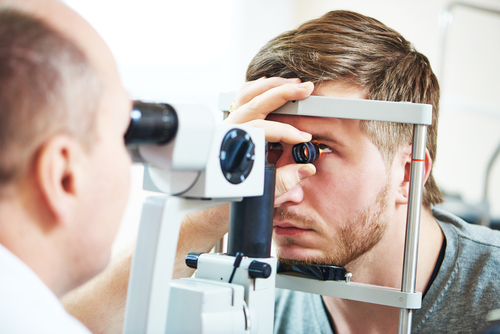
 

Ophthalmology: The Science of Vision and Its Critical Role in HealthcareOphthalmology: The Science of Vision and Its Critical Role in Healthcare

Ophthalmology, the branch of medicine that focuses on the anatomy, diseases, and treatment of the eyes, is crucial to maintaining and restoring vision. As one of the most important senses, vision is fundamental to interacting with the world around us. Yet, many people underestimate the importance of eye health until problems arise. With technological advancements, improved diagnostic techniques, and a deeper understanding of the eyes, ophthalmology has made great strides in improving both diagnosis and treatment of eye conditions, ensuring that people can enjoy clearer and healthier vision throughout their lives.

What is Ophthalmology?

Ophthalmology is a medical specialty that deals with the eyes and visual system, focusing on their anatomy, physiology, diseases, and surgical treatment. Ophthalmologists are medical doctors who specialize in diagnosing and treating eye conditions. They are trained to perform a range of services, from prescribing glasses and contact lenses to performing intricate eye surgeries.

Unlike optometrists, who mainly focus on vision correction and minor eye conditions, ophthalmologists possess the specialized knowledge and surgical skills necessary to address a wide range of eye diseases and disorders. They often deal with more complex cases that may require surgical intervention or long-term management.

The Scope of Ophthalmology

The field of ophthalmology is broad, with specialists focusing on various aspects of eye care. Some key sub-specialties within ophthalmology include:

  1. Cataract Surgery: Cataracts are one of the most common causes of blindness worldwide, especially among older adults. A cataract occurs when the eye's natural lens becomes cloudy, impairing vision. Cataract surgery is one of the most successful and commonly performed surgeries in the world. It involves removing the cloudy lens and replacing it with a clear artificial lens, restoring clear vision.

  2. Glaucoma: Glaucoma refers to a group of eye conditions that damage the optic nerve, often due to increased pressure in the eye. It is one of the leading causes of irreversible blindness globally. Glaucoma is usually asymptomatic in the early stages, making regular eye exams crucial for detection. Treatments include prescription eye drops, laser procedures, and surgery to control eye pressure and prevent further damage to the optic nerve.

  3. Refractive Surgery: Refractive errors, such as nearsightedness (myopia), farsightedness (hyperopia), and astigmatism, affect millions of people worldwide. Refractive surgery, such as LASIK and PRK, can correct these vision problems by reshaping the cornea to improve the focus of light entering the eye. These surgeries have become widely popular and have helped millions of people reduce their dependency on glasses and contact lenses.

  4. Retina and Vitreous: Conditions affecting the retina, such as diabetic retinopathy, macular degeneration, and retinal detachment, can cause significant vision loss. Ophthalmologists specializing in retina and vitreous diseases use advanced technologies and surgical techniques to treat and manage these conditions, preventing further vision impairment.

  5. Pediatric Ophthalmology: Children often face different eye health challenges than adults. Pediatric ophthalmologists focus on conditions such as amblyopia (lazy eye), strabismus (crossed eyes), and congenital eye diseases. Early diagnosis and treatment are essential to prevent long-term vision problems.

  6. Cornea and External Disease: The cornea, the transparent outer layer of the eye, is vital for focusing light. Conditions such as corneal infections, dry eye syndrome, and keratoconus (thinning of the cornea) can significantly impact vision. Ophthalmologists specializing in corneal diseases treat these conditions through medical management or corneal transplants.

  7. Neuro-Ophthalmology: Neuro-ophthalmology deals with visual problems related to the nervous system. This includes conditions such as optic neuritis, which is inflammation of the optic nerve, and visual disturbances caused by brain injuries or tumors. Neuro-ophthalmologists work closely with neurologists and other specialists to diagnose and manage these complex conditions.

Common Eye Conditions and Their Treatment

Ophthalmologists diagnose and treat a wide range of eye conditions. Some of the most common include:

  1. Refractive Errors: Refractive errors occur when the shape of the eye prevents light from focusing directly on the retina. This results in blurry vision. Common refractive errors include myopia, hyperopia, and astigmatism. These conditions are often corrected with eyeglasses, contact lenses, or refractive surgery.

  2. Cataracts: Cataracts are the leading cause of vision impairment in people over 60. As the lens of the eye becomes cloudy, it can cause blurry, dim, or yellowed vision. Cataract surgery is the most effective treatment, offering a high success rate in restoring clear vision.

  3. Glaucoma: Glaucoma causes progressive damage to the optic nerve, often due to increased pressure inside the eye. It is a leading cause of blindness, especially in older adults. Glaucoma is typically treated with medications (usually eye drops), laser procedures, or surgery to lower intraocular pressure and prevent further nerve damage.

  4. Age-Related Macular Degeneration (AMD): AMD is a condition that affects the macula, the part of the retina responsible for central vision. It is the leading cause of vision loss in people over 50. While there is no cure for AMD, treatments such as injections, laser therapy, and lifestyle changes can help slow its progression.

  5. Diabetic Retinopathy: Diabetic retinopathy is a complication of diabetes that damages the blood vessels in the retina. It can lead to blindness if not treated. Early detection through regular eye exams and treatments such as laser therapy or injections can help preserve vision.

  6. Dry Eye Syndrome: Dry eye occurs when the eyes do not produce enough tears or when tears evaporate too quickly. This condition leads to discomfort, redness, and blurry vision. Treatment options include using artificial tears, medications, and, in some cases, surgery to block tear ducts.

  7. Strabismus and Amblyopia: Strabismus is a condition where the eyes are misaligned, while amblyopia (lazy eye) refers to reduced vision in one eye. Early treatment, such as wearing corrective glasses, eye patches, or surgery, can help correct these issues, especially if addressed in childhood.

Technological Advances in Ophthalmology

Ophthalmology has benefited immensely from technological innovations, improving both the diagnosis and treatment of eye conditions. Some of the most notable advancements include:

  • Optical Coherence Tomography (OCT): OCT is a non-invasive imaging technique that provides high-resolution cross-sectional images of the retina. It is particularly useful in diagnosing and monitoring conditions such as macular degeneration, diabetic retinopathy, and glaucoma.

  • Laser Treatments: Laser technology has revolutionized the treatment of a variety of eye conditions, including refractive errors (LASIK surgery), cataracts (laser-assisted cataract surgery), and retinal diseases (laser photocoagulation).

  • Gene Therapy: Gene therapy holds promise for treating inherited retinal diseases, such as Leber congenital amaurosis and retinitis pigmentosa. By introducing healthy genes into the retina, researchers hope to slow or even reverse the effects of these conditions.

  • Artificial Intelligence (AI): AI is being used to assist ophthalmologists in diagnosing conditions like diabetic retinopathy, glaucoma, and macular degeneration. By analyzing retinal images and other diagnostic data, AI systems can detect early signs of disease with incredible accuracy, allowing for faster and more precise diagnoses.

The Importance of Preventative Eye Care

Eye care is often overlooked until a problem arises, but regular eye exams are essential to prevent and manage eye diseases. Early detection can significantly improve treatment outcomes and prevent irreversible vision loss. Here are some key tips for maintaining eye health:

  • Regular Eye Exams: Adults should have eye exams every 2 years, or more frequently if they are at higher risk for eye diseases (e.g., those with a family history of eye conditions, diabetes, or high blood pressure).

  • Protect Your Eyes from UV Rays: Wear sunglasses that block 100% of UV rays to reduce the risk of cataracts and macular degeneration.

  • Eat a Healthy Diet: Foods rich in antioxidants, such as dark leafy greens, carrots, and fish high in omega-3 fatty acids, can help protect against age-related eye diseases.

  • Quit Smoking: Smoking increases the risk of developing cataracts, macular degeneration, and other eye diseases. Quitting smoking can significantly improve eye health.

  • Practice Good Eye Hygiene: Protect your eyes from infections by practicing proper hygiene, especially when handling contact lenses.

Conclusion

Ophthalmology plays an essential role in safeguarding vision and ensuring quality of life. The advancements in diagnosis, treatment, and surgery have transformed how eye conditions are managed, offering hope for those with conditions that once led to blindness. By seeking regular eye exams, maintaining a healthy lifestyle, and staying informed about emerging technologies, individuals can preserve their vision and continue to experience the world with clarity. The field of 眼科檢查 continues to evolve, providing both professionals and patients with the tools to combat and prevent eye diseases, ultimately helping people see a brighter future.

Exploring Erotic Massage: A Journey into Sensual WellnessExploring Erotic Massage: A Journey into Sensual Wellness

Erotic massage is an art that has been practiced for centuries across various cultures, blending elements of sensual touch, therapeutic techniques, and deep emotional connection. This practice, when done intentionally and with care, offers much more than just physical pleasure; it can create a profound sense of relaxation, intimacy, and sexual awakening. Whether it’s for enhancing connection with a partner or exploring personal sensuality, erotic massage can be an enlightening and enriching experience.

What is Erotic Massage?

Erotic massage is a form of touch that involves deliberate strokes and pressure applied to the body, with a focus on stimulating both sensual pleasure and emotional connection. Unlike traditional therapeutic massages that aim to relieve tension or address muscular pain, erotic massage focuses on awakening sensual energy, increasing pleasure, and nurturing intimacy.

The difference between an erotic massage and other types of massage lies in the intention behind the touch. While therapeutic massages focus on muscle relief, an erotic massage is designed to engage the whole body in a sensual experience that may or may not lead to sexual climax. It is a practice that can help awaken a deeper sense of sexual energy and connection between individuals.

The Healing Power of body to body massage hong kong

Beyond the obvious physical pleasure, erotic massage has several emotional and psychological benefits. It can:

  • Promote Relaxation: The act of receiving an erotic massage can relax the nervous system, reduce stress, and help release built-up tension in the body. Through slow and mindful touch, the massage creates a soothing effect that helps ease the mind and body.

  • Strengthen Emotional Intimacy: Erotic massage involves connecting with a partner on an emotional level. As both individuals explore each other’s bodies, communication and trust grow. This shared vulnerability fosters intimacy and emotional bonding.

  • Stimulate Sensory Awareness: The skin is the body’s largest sensory organ, and erotic massage helps heighten sensitivity to touch, which can amplify feelings of pleasure. By focusing on areas that are often neglected, such as the back, neck, and inner thighs, it can lead to a more awakened and pleasurable physical experience.

  • Enhance Sexual Satisfaction: Erotic massage increases blood flow and circulation, particularly in erogenous zones, leading to heightened arousal. By taking the time to explore these sensitive areas, erotic massage can help set the stage for more fulfilling sexual encounters.

Key Techniques in Erotic Massage

Erotic massage blends various techniques to stimulate sensual pleasure and relaxation. Here are some common methods:

  • Gentle, Flowing Strokes: These slow, sweeping movements promote relaxation and help engage the body’s sense of touch. Often performed with oil or lotion, these strokes glide over the skin to create a feeling of warmth and comfort.

  • Kneading and Circles: While traditional massage often involves deep pressure for muscle relief, in erotic massage, kneading is used with the intent of stimulating sensitive skin, increasing circulation, and awakening sensuality.

  • Feather-Like Touch: A light, almost tickling touch is used to heighten sensitivity, especially around more sensitive areas of the body like the inner arms, back of the neck, and thighs. These delicate movements enhance sensory experiences and are often incredibly intimate.

  • Targeting Erogenous Zones: Certain areas of the body are more sensitive than others and can heighten arousal when touched. These include the inner thighs, the nape of the neck, the ears, and the lower back. Focusing on these zones can increase excitement and pleasure.

  • Breathing and Energy Flow: Some erotic massages incorporate deep breathing exercises, allowing both partners to synchronize their breathing and become more aware of the sensations they are experiencing. This practice can also be rooted in tantric traditions, where the flow of energy between partners is an essential part of the experience.

Preparing for an Erotic Massage

To ensure an enjoyable and fulfilling experience, preparation is key. Here’s how you can prepare for an erotic massage:

  1. Set the Mood: The atmosphere plays an important role in creating a sensual and relaxing environment. Dim the lights, light some candles, and play soft, ambient music to help calm the mind and set the tone for the massage.

  2. Choose the Right Oils: Select massage oils that are smooth, non-greasy, and safe for the skin. Many prefer scented oils like lavender or ylang-ylang, which can enhance the mood and relax the senses. It’s important to make sure the oils are free from harsh chemicals and won’t irritate the skin.

  3. Communicate Boundaries and Desires: Before beginning, talk openly with your partner about your preferences, boundaries, and any specific areas that feel good or should be avoided. Consent and communication are vital for a positive and safe experience.

  4. Create a Comfortable Space: Ensure that the space is warm, clean, and comfortable. A soft surface like a massage table or a plush bed can make the experience more enjoyable. Have towels on hand to help keep things clean, especially if oil is being used.

  5. Take Your Time: Erotic massage is not about rushing to an end goal. The slower, more deliberate pace is part of the allure. Focus on the journey and enjoy the process of touch, connection, and discovery.

Benefits Beyond Physical Pleasure

Erotic massage is not only about enhancing physical pleasure but also about deepening emotional intimacy and connection. The process of massaging a partner’s body with intention, care, and attentiveness fosters a unique bond that can transform the relationship. This experience goes beyond just sexual arousal—it encourages a safe space for vulnerability, acceptance, and mutual pleasure.

Additionally, erotic massage can help people explore their bodies in ways that traditional sexual encounters may not. It encourages self-awareness and body appreciation, which can enhance overall sexual confidence and well-being.

Erotic Massage in the Context of Tantra

Tantra, an ancient spiritual practice rooted in Indian culture, embraces the idea of sexual energy as a powerful force for connection and enlightenment. Erotic massage plays a significant role in Tantric practices, where the goal is to unite the body, mind, and spirit through intimate touch. The practice emphasizes the importance of connection, presence, and energy exchange between partners. Tantric erotic massage focuses on slow, deliberate touch and breath, aimed at awakening sexual energy and fostering deep, mindful pleasure.

While Tantra and erotic massage have spiritual roots, they can also be seen as forms of deep, physical connection that allow individuals to explore sensuality in a way that transcends the typical experience of sex. By focusing on connection rather than orgasm, tantric massage emphasizes the importance of the journey over the destination.

Risks and Considerations

As with any intimate experience, there are a few things to keep in mind to ensure that the experience is enjoyable and safe for both parties:

  • Communication and Consent: Always have clear, open communication about desires, preferences, and boundaries. Consent is crucial for both the giver and the receiver of the massage.

  • Physical Health: Ensure that both partners are in good health, as physical limitations or pain might affect the experience. If either person has any injuries, it’s important to adjust the massage techniques accordingly.

  • Respecting Boundaries: Erotic massage should always be a mutually respectful experience. Take care to ensure that both people are comfortable and feel heard throughout the process.

Conclusion

Erotic massage is a powerful tool for deepening intimacy, enhancing sensual awareness, and exploring sexual energy in a safe and connected way. Whether practiced in a romantic relationship or as a personal exploration of sensuality, erotic massage offers benefits far beyond physical pleasure. Through slow, mindful touch, communication, and trust, partners can build stronger emotional connections and enjoy an experience of pure relaxation and heightened sensory awareness. Like any intimate practice, erotic massage should be approached with mutual respect, clear consent, and an open mind—leading to a richer and more fulfilling connection between two people.

Holistic Elderly Care: Nurturing Health, Well-being, and HappinessHolistic Elderly Care: Nurturing Health, Well-being, and Happiness

As our elderly loved ones grow older, their health and well-being become the primary concern for families. However, elderly 上門照顧 is not just about addressing physical needs; it is about providing holistic support that encompasses emotional, social, and mental well-being. At ElderlyDB.hk, we are dedicated to helping families find elderly care services that offer comprehensive care, ensuring their loved ones live not just with physical support but with the dignity, engagement, and happiness they deserve.

ElderlyDB.hk offers a diverse array of care options, including residential care homes, nursing care, and home-based support. We aim to connect families with services that go beyond just medical care, focusing on the overall quality of life for seniors. From recreational activities and social engagement to personalized health services, we guide families to facilities that understand the importance of addressing both the physical and emotional needs of the elderly.

For many seniors, staying connected with others and maintaining a sense of purpose are essential for their mental health. That’s why many of the elderly care homes listed on ElderlyDB.hk provide enriching activities such as group exercise, creative arts, gardening, and community events that keep seniors engaged, active, and socially connected. We believe that care should not only be about addressing medical needs but also about enriching the lives of seniors and helping them maintain a sense of joy and fulfillment.

Moreover, we understand that finding the right elderly care solution often involves financial considerations. To support families in this area, ElderlyDB.hk offers tools that help calculate costs, explore available subsidies, and evaluate insurance options. Our goal is to ensure that elderly care services are both accessible and affordable for every family.

At ElderlyDB.hk, we are committed to helping families find elderly care services that go beyond the basics of physical care. By offering holistic, person-centered solutions, we empower families to make decisions that will nurture the health, happiness, and well-being of their elderly loved ones, allowing them to enjoy their later years with comfort, dignity, and a sense of belonging.

The Complex World Of Steroids: Understanding Their Uses, Risks, And Impact On HealthThe Complex World Of Steroids: Understanding Their Uses, Risks, And Impact On Health

nbsp;

Steroids are a separate of organic compounds that let in both anabolic steroids and corticosteroids, each serving different purposes in medicate and beyond. Anabolic steroids, synthetic derivatives of the male sex endocrine testosterone, are often associated with public presentation sweetening in athletes and bodybuilders. Their primary quill go is to step-up muscle mass and effectiveness, which has led to their abuse and pervert in various sports. On the other hand, corticosteroids are anti-inflammatory drugs used to treat a straddle of conditions including asthma, arthritis, and autoimmune disorders. Both types of steroids have deep effects on the body, and their employment, whether therapeutic or illicit, raises substantial health concerns.

Anabolic steroids, while beneficial for certain medical conditions such as retarded puberty and internal secretion deficiencies, are ofttimes misused for their musculus-building properties. Athletes and bodybuilders may use these substances to gain a competitive edge, leadership to a host of side personal effects that can health. Common side effects admit colored damage, cardiovascular issues, hormonal imbalances, and science effects such as aggression and mood swings. Furthermore, long-term misuse can lead to permanent changes such as sterility and breast in men. The potential for dependance and dependency also underscores the need for careful regulation and education regarding their use.

Cortico Media Pharma , in contrast, are often formal to wangle redness and curb the unaffected system of rules in cases where it is active. These drugs are extremely operational in reduction symptoms of various conditions, but their use must be managed with kid gloves due to potentiality side personal effects. Long-term use of corticosteroids can lead to osteoporosis, slant gain, , and accumulated susceptibility to infections. Managing these side personal effects involves balancing the curative benefits with the risks, often requiring sporadic evaluations and adjustments in dose.

The misuse of anabolic steroids is not express to professional person athletes; it extends to unpaid sports and even unplanned gym-goers. This widespread abuse can lead to serious wellness risks and has prompted many populace wellness initiatives to battle steroid hormone misuse. Education on the dangers of these substances, connected with rigorous regulations and testing protocols in sports, are critical in mitigating their misuse. In contrast, corticosteroids are typically used under medical examination superintendence, where the focus on is on achieving optimum curative outcomes while minimizing adverse effects.

The complex interplay between the benefits and risks of steroid use highlights the grandness of a nuanced understanding of these substances. For individuals considering steroids for medical examination purposes, it is requirement to have open discussions with health care providers to weigh the benefits against potential risks. For those tempted by the allure of increased public presentation or appearance, recognizing the long-term consequences and health hazards is crucial in making au fait decisions.

In conclusion, steroids are right compounds with the potential to significantly affect human being wellness. Whether used therapeutically or abused for performance sweetening, their personal effects are unsounded and multifaceted. Understanding the different types of steroids, their applications, and associated risks is requirement for qualification privy choices and ensuring that these substances are used responsibly and effectively. As science continues to evolve, on-going explore and breeding will play key roles in addressing the challenges and opportunities conferred by steroid hormone use.